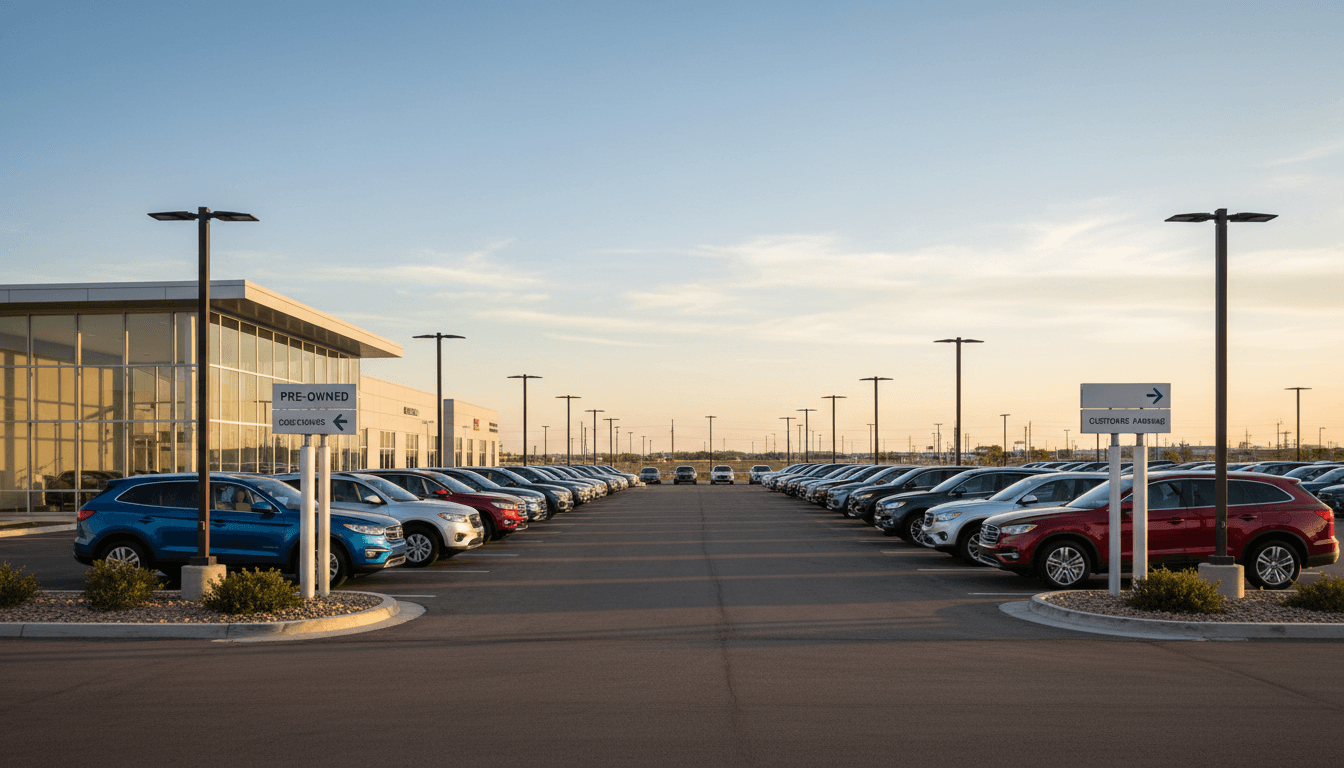
The best time of year to buy a used car is typically between October and January when dealerships offer significant discounts to clear out inventory before the year ends. Prices are often at their lowest during these late fall and early winter months; furthermore, the influx of trade-ins in the new year provides buyers with a wider selection of vehicles.
Searching for a reliable pre owned vehicle often feels like a high stakes gamble where the house always wins. You find a car you love, but the price tag reflects a seasonal spike you did not anticipate. At Snow Used Autos, we know that timing is the most significant variable in your total cost of ownership. A strategic purchase can save you thousands of dollars, particularly when navigating the specific economic shifts of the Utah market. This guide provides an expert look at the seasonal inventory cycle, revealing why January is a hidden gem compared to major summer holidays. We also address local climate considerations for Fillmore drivers, forecast market trends through 2027, and outline essential budgeting frameworks like the 3000 dollar rule to help you buy with total confidence.
Understanding the Seasonal Used Car Cycle
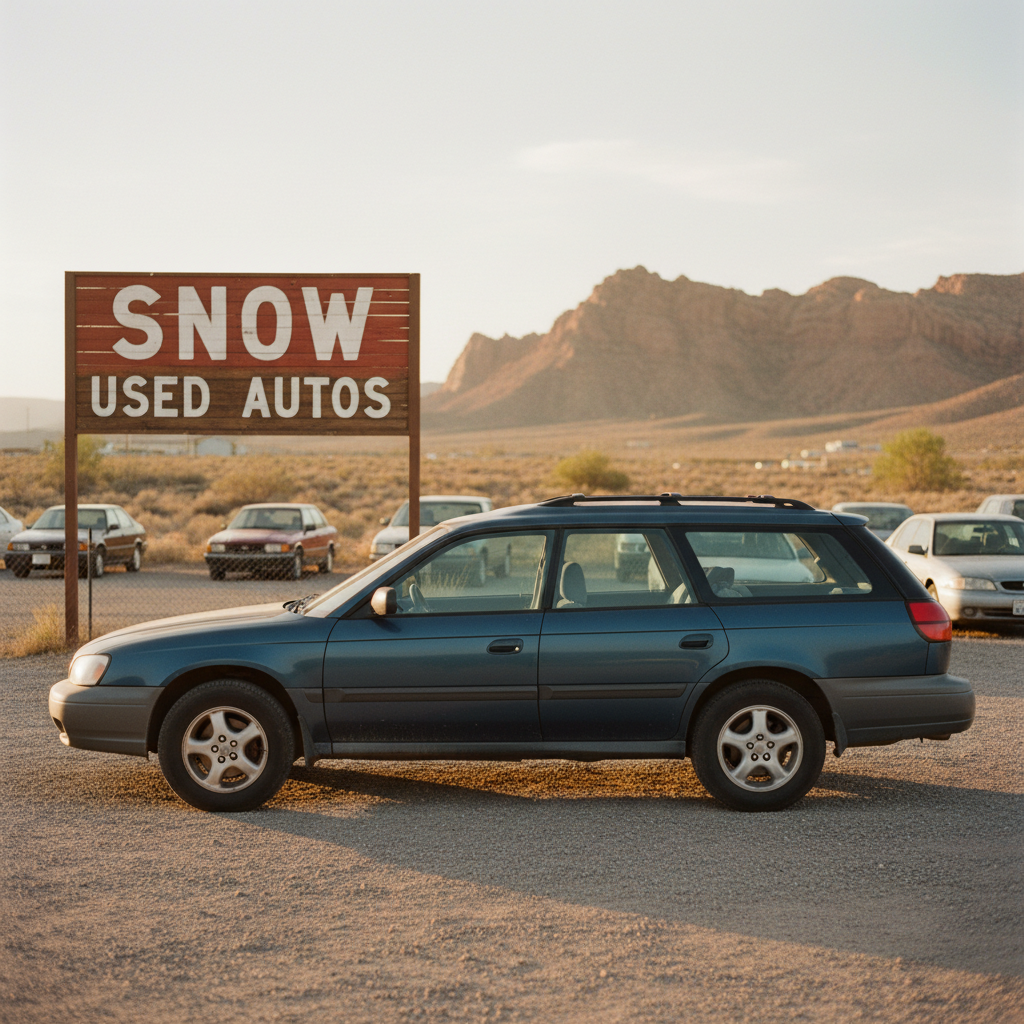
While the lot at Snow Used Autos stays stocked year-round, the rhythm of the automotive industry dictates that some months offer distinct advantages over others. For buyers in Millard County looking to maximize value, understanding the seasonal used car cycle is the first step toward a smarter purchase. The best time of year to buy a used car generally aligns with the final three months of the calendar year, extending into the very start of January.
This timing is largely driven by the new car cycle. As manufacturers release their latest models in late summer and early autumn, a wave of buyers trades in their current vehicles to upgrade. This creates a significant surplus of used inventory precisely when demand begins to dip for the winter season. According to sales data from Edmunds, October and November are prime months for price drops, as the influx of trade-ins forces dealerships to adjust pricing to keep inventory moving.
At Snow Used Autos, we maintain a curated inventory of reliable used vehicles that reflects these market shifts. While a new car dealership focuses on clearing space for next year's models, a dedicated used car dealership focuses on managing the volume of trade-ins that arrived during that transition. By shopping during the fourth quarter, you are entering the market when supply is at its peak and competition from other buyers is often lower. This combination of high inventory and softening demand provides a practical window for individuals and families to secure a dependable vehicle without the pressure of peak-season pricing.
Why January Is the Secret Winner for Used Car Deals
While the year-end push is well-documented, January remains the secret winner for savvy buyers. Research from iSeeCars confirms that January is the best month overall for finding a deal, offering roughly 55.6% more savings opportunities than the average month. This phenomenon is driven by a unique shift in consumer psychology and market supply. After the surge of holiday spending, most households pull back on large purchases to balance their budgets, leading to a significant drop in consumer demand.
For a dealership, this quiet period coincides with a major phase of inventory replenishment. The high volume of new car sales across the industry in December results in a backlog of trade-ins that need to be processed and moved to make room for fresh arrivals. If you are looking for the absolute best time of year to buy a used car, the early weeks of January provide a distinct advantage. Buyers face less competition on the lot, and the surplus of trade-in vehicles allows for a more relaxed, transparent and straightforward sales process. By focusing on this window, you benefit from a market that is rich in options but low on active shoppers, ensuring that value and reliability remain the top priorities of the transaction.
The Best Holidays to Shop: MLK Day vs. July 4th
Holiday weekend sales events are a staple of the auto industry, but the actual savings vary wildly depending on which long weekend you choose. Martin Luther King Jr. Day stands out as a top tier occasion for finding value. Data from iSeeCars indicates that MLK Day offers 65.5% more deals than the average holiday. This timing is ideal because it falls during the January slump, allowing buyers to capitalize on the inventory surplus while most consumers are still avoiding large purchases following the new year.
In contrast, summer holidays represent the most difficult times to secure a bargain. Memorial Day and the 4th of July are historically the worst times to shop; the 4th of July specifically sees roughly 22.4% fewer deals than average. During these months, demand for reliable transportation spikes as families prepare for summer road trips and outdoor recreation.
Holiday | Deal Frequency vs. Average | Buying Outlook |
|---|---|---|
Martin Luther King Jr. Day | +65.5% | Excellent Value |
President's Day | +50.2% | High Availability |
Memorial Day | -15.8% | Peak Competition |
July 4th | -22.4% | Minimum Savings |
For Utah buyers, finding the best time of year to buy a used car means avoiding the summer rush. Shopping in the colder months ensures you are not competing with the seasonal influx of buyers looking for summer travel vehicles. Instead, visiting our lot when traffic is lower allows for a more transparent and straightforward sales process tailored to your specific needs. By targeting these early-year holidays, you can browse a curated inventory of reliable used vehicles without the pressure of peak-season demand.
Utah Timing Strategies: Buying for the Fillmore Climate

Timing your purchase in Fillmore requires an understanding of how local weather patterns dictate inventory flow. In Millard County, the value calendar is heavily influenced by the change in seasons and the specific geography of our region. When the first frost approaches, demand for 4WD and AWD vehicles surges as residents prepare for winter travel on I-15 and rural mountain roads. If you are searching for a high-clearance truck or SUV, the best time of year to buy a used car is actually during the late spring or summer. During these warmer months, interest in snow-ready vehicles dips; this allows you to browse a curated inventory of reliable used vehicles without the seasonal price markup that inevitably occurs in October.
Conversely, the late fall is an excellent window to purchase fuel-efficient sedans or smaller commuters. As local drivers trade in their front-wheel-drive cars to upgrade to larger rigs before the snow flies, the supply of smaller vehicles increases just as demand for them hits its annual low. This inverse relationship between vehicle type and weather allows for a more transparent and straightforward sales process because you are shopping against the grain of the local market.
Vehicle Type | Peak Demand Period | Optimal Buying Window |
|---|---|---|
4WD Trucks / SUVs | September – November | May – August |
AWD Crossovers | October – December | April – June |
Fuel-Efficient Sedans | March – May | October – January |
Before making a decision based on the calendar alone, contact our team in Fillmore to discuss current local trends and upcoming arrivals. Aligning your search with these seasonal dips ensures you secure a vehicle that meets your practical needs for a fraction of the cost of a peak-season purchase. By focusing on what other buyers are ignoring in the moment, you can maximize your budget and drive away with a reliable vehicle suited for any Utah season.
Used Car Market Forecast: Will Prices Drop in 2026 and 2027?
Beyond seasonal shifts, many buyers are looking toward 2026 and 2027 to see if the market will finally return to pre-2020 levels. Current data suggests that while used vehicle prices are stabilizing, the record highs seen over the last few years are definitively cooling off. You should not expect a sudden market crash; however, a steady softening of prices makes the next two years a strong window for those who have delayed their purchase while waiting for more favorable conditions.
As supply chains for new vehicles remain consistent, the backlog of demand for used cars is easing. This transition allows for a more transparent and straightforward sales process as inventory levels normalize. For Utah families, vehicle type will dictate how quickly these prices adjust across the market.
Vehicle Category | Market Outlook (2026-2027) | Value Retention |
|---|---|---|
Compact Sedans | Faster price softening | Moderate |
Full-Size Trucks | Slow, steady stabilization | High |
Three-Row SUVs | High demand, stable pricing | Very High |
Hybrid/Electric | Increasing availability | Variable |
Trucks and SUVs are expected to maintain their intrinsic value significantly better than smaller sedans due to their utility in rural and winter climates. If you are looking for a commuter car, you may see more aggressive price drops by 2026. If you need a heavy-duty rig, waiting for the absolute best time of year to buy a used car within these years will remain the most effective strategy for securing a deal. By 2027, the market is projected to reach a new balance that prioritizes long-term reliability over short-term price spikes.
Micro Timing: The Best Day and Week of the Month
While broader seasonal trends highlight the best time of year to buy a used car, specific micro timing within a month also impacts your purchase experience. If your goal is to leverage dealership sales cycles, focusing on the last three to five days of the month is a proven strategy. Dealerships often track performance against monthly volume targets; as the final days approach, there is an increased emphasis on closing transactions to meet these goals. This window creates a favorable environment for negotiation, especially on vehicles that have been in stock for several weeks.
For buyers who prioritize a calm environment over high stakes negotiation, shopping early in the week is the superior choice. Mondays and Tuesdays are typically the quietest days on our lot in Fillmore. By visiting early in the work week, you ensure that our staff can provide a transparent and straightforward sales process with their undivided attention. This avoids the crowded atmosphere of a Saturday, allowing you to inspect our curated inventory of reliable used vehicles at your own pace. A mid week visit often results in a more relaxed, stress free transaction, which is essential for families making a significant financial commitment. Avoiding the weekend rush ensures that every question is answered and every detail is explained without the pressure of a busy showroom.
Practical Budgeting Rules: The 20 Percent and 3000 Dollar Rules

Understanding the calendar helps you find the right price, but applying strict budgeting rules ensures the purchase remains sustainable for your household. The 20/4/10 rule serves as a standard benchmark for financial health: aim for a 20 percent down payment, a loan term no longer than four years, and total monthly transportation costs, including insurance and fuel, that do not exceed 10 percent of your gross income. A solid down payment reduces interest costs and protects you from negative equity, which is especially important if you are timing your purchase for the best time of year to buy a used car when inventory is high and prices are competitive.
You may also encounter the 3,000 dollar rule, which acts as a warning for budget-conscious buyers. Generally, vehicles priced at or below 3,000 dollars are categorized as fixer-uppers that likely require immediate mechanical investment to be roadworthy. In Millard County, where reliability is essential for long commutes or winter driving, choosing a slightly higher price point for a curated inventory of reliable used vehicles often saves money in the long run. By avoiding high-mileage risks and prioritizing a transparent and straightforward sales process, you reduce the likelihood of surprise repair bills. Investing a bit more upfront ensures your vehicle remains a dependable tool for your family rather than a project. If you have questions about specific price points or local financing options, contact our team in Fillmore for expert advice on balancing affordability with long-term value.