
Knowing how to inspect a used car before buying requires a thorough examination of the engine bay for leaks and a check of the exterior body panels for rust or damage. You should also perform a test drive across varied terrain to detect suspension or transmission issues; additionally, inspect the tires and interior electronics to ensure the vehicle is safe and reliable.
Finding the perfect used vehicle often feels like navigating a minefield of hidden mechanical issues and deceptive cosmetic fixes. You want a reliable ride, but the fear of inheriting a costly lemon can make the purchasing process incredibly stressful. At Snow Used Autos, we believe that transparency is the cornerstone of every smart investment. A thorough, professional-grade inspection is the only way to ensure a car’s longevity and your peace of mind. In this comprehensive guide, we provide a masterclass in vehicle evaluation. You will learn how to verify history reports, assess structural integrity, and analyze fluid health under the hood. We also cover interior electronic testing and test drive strategies tailored for the unique demands of Utah roads. By the end, you will understand the essential 30-60-90 rules and recognize the critical red flags that mean it is time to walk away.
Why a Thorough Used Car Inspection is Essential
At Snow Used Autos, we prioritize transparency to ensure our customers find reliable used vehicles that fit their needs. Even when working with a reputable dealer, every buyer should feel empowered to conduct a personal evaluation. Learning how to inspect a used car before buying is the most effective way to protect your investment and avoid "lemon" situations that lead to immediate, unexpected repair bills.
In Fillmore and across Millard County, vehicles face unique environmental stressors. Local cars frequently endure steep mountain grades and the corrosive road salt used during Utah winters. These conditions can accelerate wear on braking systems, suspension components, and the vehicle frame. While a history report provides a necessary digital trail, a physical inspection reveals the real-world effects of our local climate and terrain. This guide outlines practical steps to verify a vehicle's condition, helping you drive away with the confidence that your new purchase is truly road-ready.
Phase 1: Research and Vehicle History Reports
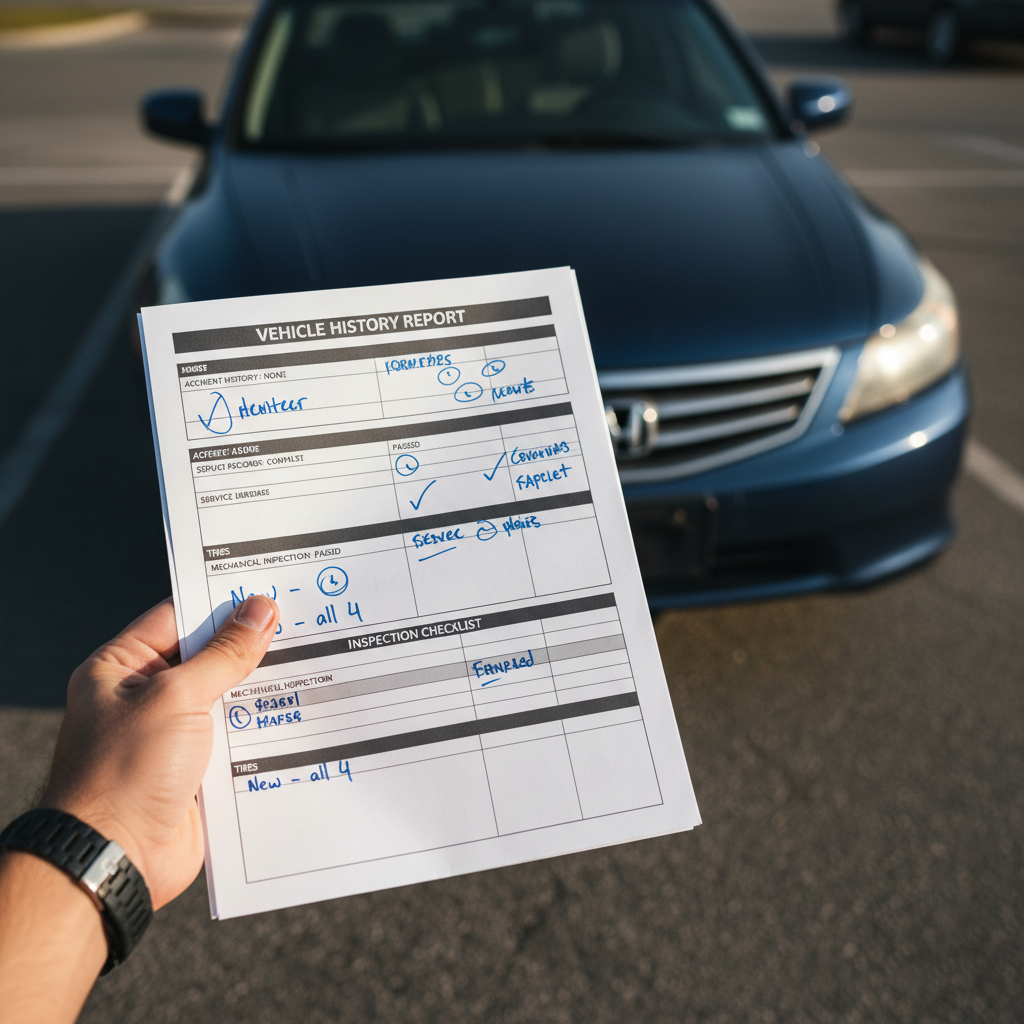
Before you step onto a lot or meet a private seller, your evaluation begins with a digital trail. Understanding how to inspect a used car before buying means recognizing that the vehicle's paperwork is the first layer of defense against a bad investment. Every car has a unique 17 digit Vehicle Identification Number, or VIN, which serves as a permanent record of its life. You can typically find this number at the base of the windshield on the driver's side or inside the door jamb.
A comprehensive history report from services like CARFAX or AutoCheck is indispensable for most buyers. These reports aggregate data from insurance companies, repair shops, and state agencies to show you the vehicle's past. If you are looking for a more budget friendly alternative, consider a report from the National Motor Vehicle Title Information System (NMVTIS). While it may not be as detailed regarding specific service records, it is an excellent, low cost tool for verifying title status and preventing fraud.
When reviewing these documents, scan for specific red flags that signal a high risk purchase. Look closely for:
Salvage or rebuilt titles, which significantly affect resale value and safety.
Evidence of flood damage, which often leads to incurable electrical failures.
Odometer rollbacks, indicated by mileage decreases between different reporting periods.
Frequent ownership transfers, such as a vehicle changing hands every six months, which often suggests a persistent mechanical problem.
If a report shows a vehicle has bounced through four owners in two years, it is likely time to move on to the next option in our inventory. By clearing this hurdle first, you save yourself the time and travel required for a physical inspection.
Phase 2: The Exterior Walkaround and Body Integrity
Once the history report clears, it is time for a physical inspection in bright, natural daylight. Begin with a slow walkaround to evaluate the body integrity. Your eyes should scan for mismatched paint or finishes that do not quite match between adjacent panels; a door that looks slightly darker or shinier than the front fender often indicates a previous accident repair. Examine the panel gaps, which are the spaces between the hood, doors, and fenders. These should be narrow and uniform throughout. If a gap widens or narrows significantly from one end to the other, the vehicle may have sustained frame damage that was never properly squared.
In the Fillmore area, rust is a primary concern due to the heavy road salt used during Utah winters. Pay close attention to the rocker panels, which are the metal sections below the doors, and the inner edges of the wheel wells. These areas trap moisture and salt, leading to corrosion that can compromise the structural safety of the car. If you spot bubbling paint or an "orange peel" texture in these spots, it is a sign that rust is forming underneath the surface.
Continue your inspection by testing the mechanical operation of the exterior components. Open and close every door, the hood, and the trunk. Each should operate smoothly and latch securely without needing extra force. A door that sags when opened or resists closing often points to hinge wear or a misaligned frame. Finally, inspect the tires. While tread depth matters, uneven wear patterns are more telling. If the inside of the tire is significantly more worn than the outside, it likely signals an alignment issue or failing suspension components. When looking for reliable used vehicles, these exterior cues provide the first real evidence of how the car was treated by its previous owner. Mastering these physical markers is a critical step in learning how to inspect a used car before buying.
Phase 3: Under the Hood and Fluid Health
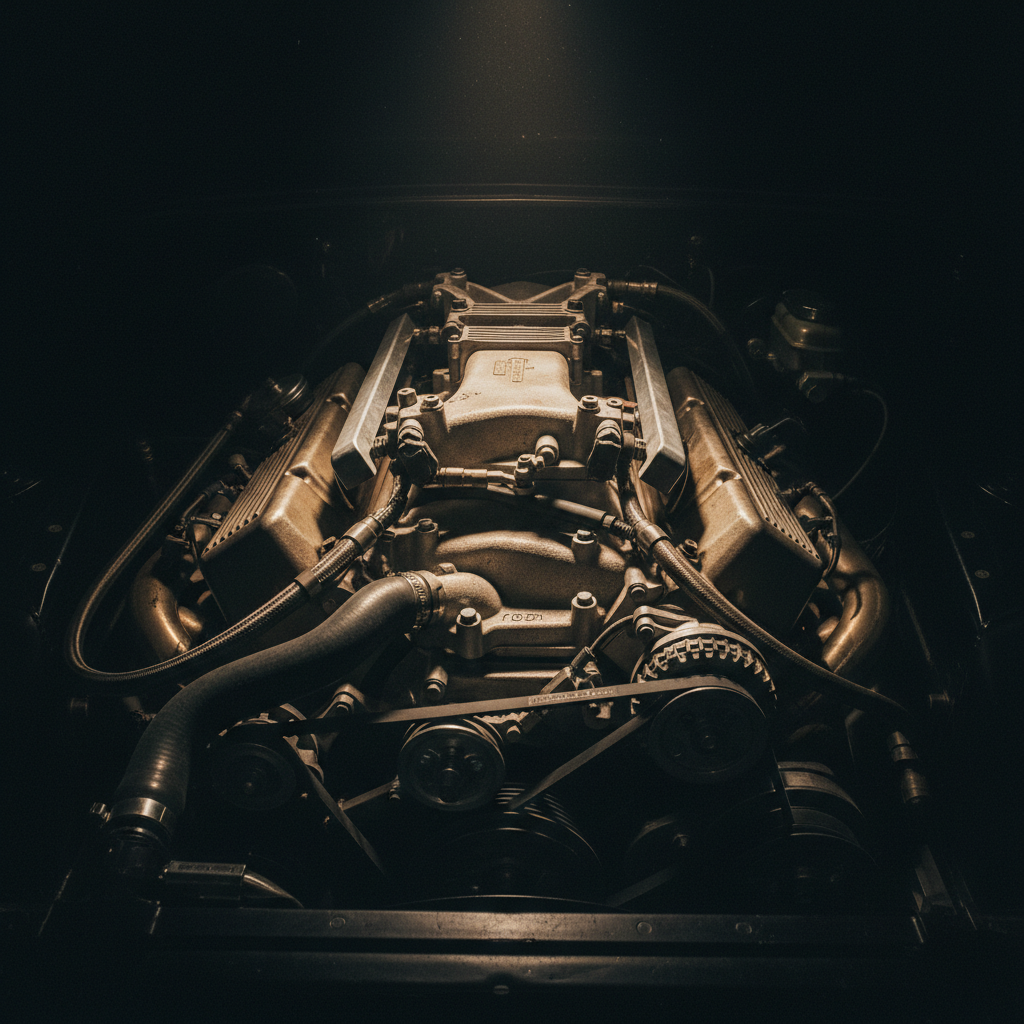
After examining the exterior, move to the mechanical heart of the vehicle. You do not need a degree in automotive engineering to understand how to inspect a used car before buying; you simply need to know what a healthy engine looks like. Begin with the spotlight approach. While a clean engine bay is generally a good sign, an engine that looks exceptionally spotless or shiny in an older vehicle may have been steam cleaned recently to mask active oil leaks. Scan the bay for fresh oil splatter or dark, greasy residue on the block and surrounding components.
Evaluating fluid health provides a direct window into the car’s maintenance history. Check these three essentials:
Engine Oil: Pull the dipstick and wipe it clean before reinserting for a reading. The oil should be amber or dark brown. A milky, frothy texture suggests coolant is leaking into the oil, which is a major red flag for a failing head gasket.
Coolant: Look at the overflow reservoir. The fluid should be bright green, orange, or pink, depending on the manufacturer. If it looks rusty or contains oily sludge, the cooling system has been neglected.
Transmission Fluid: If the vehicle has a dipstick for the transmission, check for a pinkish hue. If the fluid is dark or smells burnt, the internal components may be slipping.
Finish by examining rubber components; belts should not show fraying or deep cracks, and hoses should feel firm rather than brittle or bulging. Finally, perform a cold start. Starting the engine when it is completely cool allows you to hear rattles or see exhaust smoke that might disappear once the engine warms up, helping you identify truly reliable used vehicles that are built to last.
Phase 4: Evaluating the Interior and Electronics
With the mechanical assessment complete, transition your focus to the cabin to evaluate the interior and electronics. A car’s interior often reveals more about its history than a polished exterior. Systematically test every switch, knob, and button. Cycle the climate control through all settings; a robust heater is a non negotiable requirement for Utah winters, while the air conditioning should blow cold within seconds. Operate every window motor and lock to ensure smooth movement without grinding noises or hesitation. If the vehicle features an infotainment screen, verify that the touch interface is responsive and the Bluetooth or navigation functions as intended.
Beyond functionality, use your sense of smell to detect hidden problems. A damp, musty, or mildew scent is a significant warning sign, as it often indicates water intrusion from a leaking sunroof seal, a compromised window gasket, or a blocked AC drain. Check the footwells for any lingering moisture or staining under the floor mats.
The most critical expert tip for how to inspect a used car before buying involves comparing physical wear to the odometer reading. Inspect the steering wheel, gear shifter, and rubber brake pedals. If the pedals are worn down to the metal or the steering wheel texture is heavily smoothed, yet the odometer claims only 30,000 miles, it is a major red flag for potential odometer tampering or extreme city use. Finding reliable used vehicles requires these components to show wear patterns that are consistent with the reported mileage. At Snow Used Autos, we encourage this thorough approach so you can verify the true condition of your purchase.
Phase 5: The Test Drive Strategy for Utah Roads

Once you are satisfied with the interior controls, it is time to get the vehicle on the road. A simple trip around the block is insufficient for reliable used vehicles. In Fillmore, our cars need to handle more than just flat pavement; they must manage steep grades and sustained highway speeds. To master how to inspect a used car before buying, you must plan a route that mimics your daily driving habits.
Start by turning the radio off. While it is tempting to check the sound system, silence is necessary to hear the engine and suspension clearly. While the car is idling, feel for rough vibrations through the seat or steering wheel. Once moving, find a stretch of road that allows you to accelerate to highway speeds. If the steering wheel shakes or vibrates at 60 MPH, the tires may be out of balance or the front end could have worn suspension components.
Seek out a hill to test how the car performs under load. The transmission should downshift smoothly without lagging or hunting for gears. On the descent, apply the brakes firmly but safely. If the steering wheel pulses or the car pulls to one side, the rotors may be warped or a brake caliper could be sticking. Listen for metallic clunks or rattles when driving over uneven patches of road, as these often signal worn bushings, ball joints, or struts. At Snow Used Autos, we encourage a comprehensive test drive because it is the only way to truly understand a vehicle's mechanical health before you sign any paperwork.
Understanding the Rules: The 3000 and 30-60-90 Rules
After the test drive, evaluate the vehicle’s long term value using two essential financial frameworks. The $3000 rule dictates that you should either maintain a $3,000 cash reserve for immediate repairs or avoid any vehicle where the necessary work exceeds $3,000 relative to its market value. This prevents you from becoming "car poor" the moment you leave the lot, ensuring you have the capital necessary to handle the unexpected realities of used car ownership.
Combine this with the 30-60-90 rule, which tracks major scheduled maintenance. Manufacturers typically require significant service at 30,000, 60,000, and 90,000 mile intervals. When researching how to inspect a used car before buying, ask to see receipts for these specific milestones. If a vehicle is at 95,000 miles and the 90k service, which often includes timing belts, spark plugs, and fluid flushes, is undocumented, you should factor those upcoming costs into your offer. At Snow Used Autos, we provide the transparency you need to find reliable used vehicles that align with these maintenance cycles. If you have questions about the specific service history of a car on our lot, feel free to contact our team.
Identifying Common Red Flags and When to Walk Away

Knowing how to inspect a used car before buying involves recognizing when a vehicle’s risks outweigh its potential value. Certain red flags are non negotiable deal breakers that should end the negotiation immediately. If a vehicle has no Check Engine light but your OBD II scanner shows "system not ready," the seller may have recently cleared diagnostic codes to mask a persistent mechanical failure. Exhaust emissions provide another clear signal; blue smoke indicates oil consumption, while thick white smoke suggests a compromised head gasket.
Inspect the frame rails for any unusual kinks, non factory welds, or fresh undercoating that looks out of place. These signs often hide structural damage that impacts the car’s safety and long term alignment. Perhaps the most significant warning is a seller’s resistance to a professional pre purchase inspection. An honest seller has nothing to hide. At Snow Used Autos, we provide straightforward information and encourage independent evaluations of our reliable used vehicles. If you spot a concern or need clarification on a specific car, contact our team to discuss it openly. We prioritize your peace of mind over a quick sale.
Taking the time to inspect a used vehicle ensures you make a safe and informed investment. While these steps provide a solid foundation for any buyer, we know that evaluating mechanical details can feel overwhelming. If you want expert help to navigate the process with complete peace of mind, our team is ready to assist you. You can read more about our approach to quality and service to see how we help our customers drive away with total confidence.